
Blog
Lucke Dental is the premiere dental practice in Fayetteville, AR. Our blog is meant to educate our patients and anyone looking for dental information
What to Expect During Your Dental Implant Procedure in Fayetteville
posted: September 22, 2023
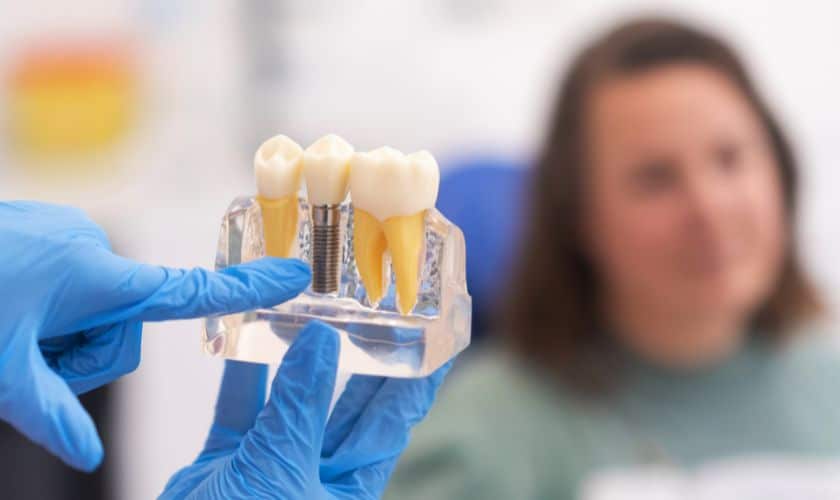
If you’ve been considering restoring your smile and improving your oral health, you’re in the right place. Dental implants are a fantastic solution for replacing missing teeth, providing stability and functionality that is similar to natural teeth. In this article, we will guide you through what to expect during your dental implant procedure, from preparation to recovery. So sit back, relax, and let us take you on an informative journey towards a brighter smile!
The Benefits of Dental Implants
Dental implants offer a range of benefits that make them an attractive option for those seeking to restore their smile and improve oral health. One of the key advantages is their durability. Unlike dentures or bridges, dental implants are designed to last a lifetime with proper care.
Another benefit is the improved appearance that dental implants provide. They look and feel like natural teeth, giving patients renewed confidence in their smile. Additionally, because they are fused directly into the jawbone, dental implants prevent bone loss and help maintain facial structure.
Functionally, dental implants also offer significant advantages. Unlike dentures which can slip out of place while speaking or eating, dental implants are securely anchored in the mouth. This means no more worry about embarrassing slips or discomfort when trying to enjoy your favorite foods.
Furthermore, dental implant procedures have a high success rate and can greatly improve overall oral health by replacing missing teeth without compromising neighboring teeth as with traditional bridges.
The benefits of dental implants cannot be overstated – from enhanced aesthetics and functionality to long-lasting results and improved oral health. If you’re considering replacing missing teeth or restoring your smile, it’s definitely worth exploring what dental implant options may be available to you.
Preparing for Your Dental Implant Procedure
Before undergoing a dental implant procedure, it’s important to be well-prepared. This will help ensure that the process goes smoothly and increases your chances of successful implantation. Here are some key steps to take in preparation:
1. Consultation with your dentist: The first step is to schedule a consultation with your dentist or oral surgeon. During this appointment, they will evaluate your oral health and determine if you’re a suitable candidate for dental implants.
2. X-rays and scans: To get a clear picture of your jawbone structure, x-rays and scans may be taken before the procedure. These images allow the dentist to assess bone density and identify any potential issues that need to be addressed prior to implant placement.
3. Treatment plan development: Based on the examination results, your dentist will create a personalized treatment plan tailored specifically for you. This plan outlines each step of the procedure, including any necessary extractions or bone grafting procedures.
4. Preparing physically and mentally: It’s important to prepare yourself both physically and mentally for the upcoming dental implant procedure. Follow any pre-operative instructions given by your dentist, such as fasting before surgery if required.
5. Arrange transportation: Since anesthesia may be used during the procedure, it’s crucial to arrange transportation home after the surgery is complete.
By following these preparatory steps, you can feel confident knowing that you’ve done everything possible beforehand to ensure a smooth and successful dental implant procedure
Step-by-Step Guide to the Procedure
Step 1: Initial Consultation
The first step in the dental implant procedure is to schedule an initial consultation with your dentist. During this appointment, your dentist will evaluate the health of your teeth and gums, as well as take x-rays or scans to determine if you are a suitable candidate for dental implants.
Step 2: Treatment Planning
Once it is determined that you are a good candidate for dental implants, your dentist will create a personalized treatment plan tailored to meet your specific needs. This may involve extracting any remaining damaged teeth and addressing any underlying oral health issues before proceeding with the implant surgery.
Step 3: Implant Placement
During the surgical procedure, which is typically performed under local anesthesia, small titanium posts (implants) are surgically placed into the jawbone. These serve as artificial tooth roots that will provide a stable foundation for replacement teeth.
Step 4: Healing and Osseointegration
After the implants have been placed, there is a healing period during which osseointegration takes place. This process involves the integration of the implants with the surrounding jawbone, ensuring their stability and durability.
Step 5: Abutment Placement
Once osseointegration has occurred and sufficient healing has taken place (usually several months), abutments are attached to each implant. These abutments act as connectors between the implants and replacement teeth.
Step 6: Final Restoration
The final step in the procedure involves attaching custom-made crowns or dentures to the implanted abutments. These restorations are designed to blend seamlessly with your natural smile, providing you with functional and aesthetically pleasing replacement teeth.
Remember that every patient’s journey through dental implant procedures can vary depending on individual circumstances. It’s important to consult with an experienced dentist who can guide you through each step of this transformative process.
Recovery and Aftercare
Recovery and aftercare are crucial aspects of the dental implant procedure. Once your implants have been placed, it’s important to follow a proper care routine to ensure successful healing and long-term results.
After the procedure, you can expect some discomfort and swelling in the treated area. This is completely normal and can be managed with over-the-counter pain medication prescribed by your dentist. Applying ice packs gently on your face can also help reduce swelling.
In terms of eating, it’s best to stick to a soft diet for the first few days after surgery. Avoid hot or spicy foods that may irritate the surgical site. As you heal, gradually introduce solid foods back into your diet but avoid chewing directly on the implant site until cleared by your dentist.
Maintaining good oral hygiene is crucial during recovery as well. Continue brushing twice a day with a soft-bristle toothbrush and gentle circular motions around the implant area. Use an antibacterial mouthwash recommended by your dentist to keep bacteria at bay.
Regular check-ups with your dentist are essential during this time as they will monitor your progress and make any necessary adjustments or recommendations for optimal healing.
Remember, everyone’s recovery process is unique, so it’s important to follow specific guidelines provided by your dentist based on their evaluation of your individual case.
By following these post-procedure instructions diligently, you’ll give yourself every opportunity for successful healing and long-lasting results from dental implants!
The Bottom Line
Undergoing a dental implant procedure in Fayetteville can be a life-changing experience. With the ability to restore your smile and improve your oral health, dental implants offer numerous benefits that go beyond just aesthetics.
By choosing to get dental implants, you can enjoy improved chewing functionality, increased confidence in your appearance, and long-lasting results. The process may require some preparation and careful consideration beforehand but rest assured knowing that you are in capable hands with experienced dental professionals.
During the procedure itself, you can expect a step-by-step process that involves consultation, placement of the implant post into your jawbone, healing time for osseointegration to occur, and then finally attaching the crown or prosthetic tooth. While recovery may vary from person to person, following proper aftercare instructions will help ensure successful healing and integration of the implant.
If you’re considering getting dental implants in Fayetteville or have any questions about the procedure or aftercare involved, don’t hesitate to reach out to our trusted team at [Dental Clinic Name]. We’re here to guide you through every step of this transformative journey towards a healthier smile!