
Blog
Lucke Dental is the premiere dental practice in Fayetteville, AR. Our blog is meant to educate our patients and anyone looking for dental information
Beyond Brushing: Diseases That Can Accelerate Tooth Decay
posted: April 24, 2024
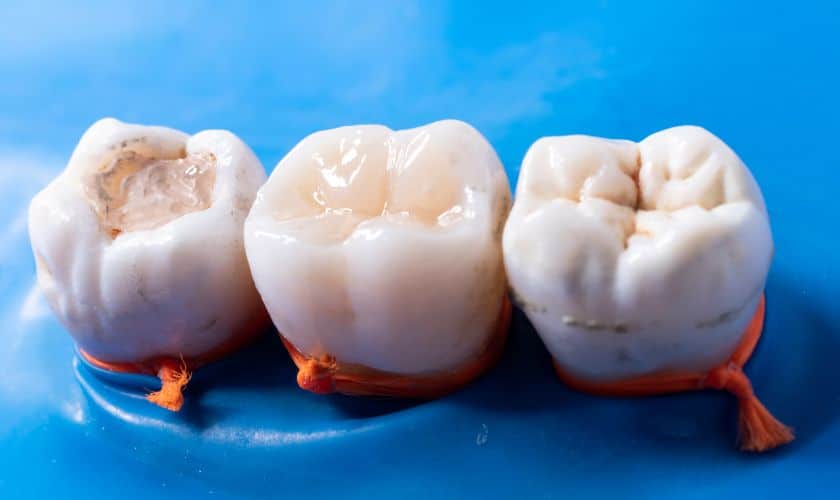
Tooth decay, also known as cavities, is a common dental problem affecting people of all ages. While poor oral hygiene is the primary culprit, certain underlying health conditions can significantly accelerate the process. Understanding these conditions empowers you to take control of your oral health and seek the right support from a dentist near you.
This blog post explores various diseases that can contribute to rapid tooth decay and provides tips for maintaining a healthy smile
Dry Mouth: The Enemy of a Healthy Smile
Saliva plays a crucial role in maintaining oral health. It washes away food particles, neutralizes acids produced by bacteria, and helps remineralize tooth enamel. Several medical conditions and medications can lead to dry mouth, creating an environment conducive to tooth decay:
- Sjogren’s Syndrome: An autoimmune disease that can affect the salivary glands, leading to reduced saliva production.
- Diabetes: High blood sugar levels can decrease saliva flow and increase susceptibility to infections, including gum disease.
- Medications: Certain medications for allergies, high blood pressure, and depression can cause dry mouth as a side effect.
Gastrointestinal Issues: The Reflux Connection
Gastroesophageal reflux disease (GERD) is a condition where stomach acid backs up into the esophagus. This acidic environment can erode tooth enamel, especially when combined with frequent vomiting associated with conditions like bulimia nervosa. If you experience frequent heartburn or acid reflux, consult a medical professional and inform your dentist to monitor any potential impact on your oral health.
Weakened Immune System: Increased Vulnerability
Certain chronic conditions or treatments that weaken the immune system can indirectly contribute to tooth decay. Here’s how:
- HIV/AIDS: A weakened immune system can make individuals more susceptible to oral infections that contribute to decay.
- Autoimmune Diseases: Conditions like lupus can affect the body’s ability to fight infection, increasing the risk of gum disease and tooth decay.
- Cancer Treatment: Chemotherapy and radiation therapy can cause dry mouth and increase the risk of oral infections.
Dietary Factors: Fueling the Problem
While everyone knows sugary foods and drinks contribute to tooth decay, some dietary habits can be more detrimental for those with pre-existing conditions:
- High-Carbohydrate Diets: Carbohydrates break down into sugars in the mouth, feeding plaque bacteria and accelerating the decay process. This is especially worrisome for individuals with diabetes or weakened immune systems.
- Acidic Foods and Drinks: Acidic foods and beverages like citrus fruits, soda, and sports drinks can erode tooth enamel, making teeth more susceptible to decay.
Protecting Your Smile: Preventive Measures and Early Intervention
Even with a pre-existing condition, a proactive approach can significantly reduce your risk of rapid tooth decay:
- Maintain Excellent Oral Hygiene: Brushing twice daily with fluoride toothpaste and flossing once a day are crucial. Consider using a chlorhexidine mouthwash if recommended by your dentist.
- Regular Dental Checkups and Cleanings: Schedule regular appointments with a dentist near you for professional cleanings and to monitor your oral health.
- Dietary Modifications: Work with a nutritionist to create a balanced diet that minimizes sugary and acidic foods and drinks.
- Manage Underlying Conditions: Effectively manage your pre-existing condition with the guidance of your doctor.
The Importance of Early Diagnosis and Treatment
Dental deterioration has to be promptly detected and treated. Make an appointment as soon as possible with a nearby dentist if you have any symptoms such as discomfort, sensitivity, or obvious evidence of decay. An early intervention can prevent the need for later, more involved, and costly therapy.
Recall that taking preventive measures is the first step towards maintaining a healthy smile. You may stop tooth decay from progressing quickly and maintain the integrity of your smile by being aware of potential risk factors and maintaining proper oral hygiene. Speak with a local dentist to learn more about your specific requirements and to develop a customized strategy for the best possible dental health!