
Blog
Lucke Dental is the premiere dental practice in Fayetteville, AR. Our blog is meant to educate our patients and anyone looking for dental information
What to Do When You Have a Dental Emergency
posted: October 7, 2024
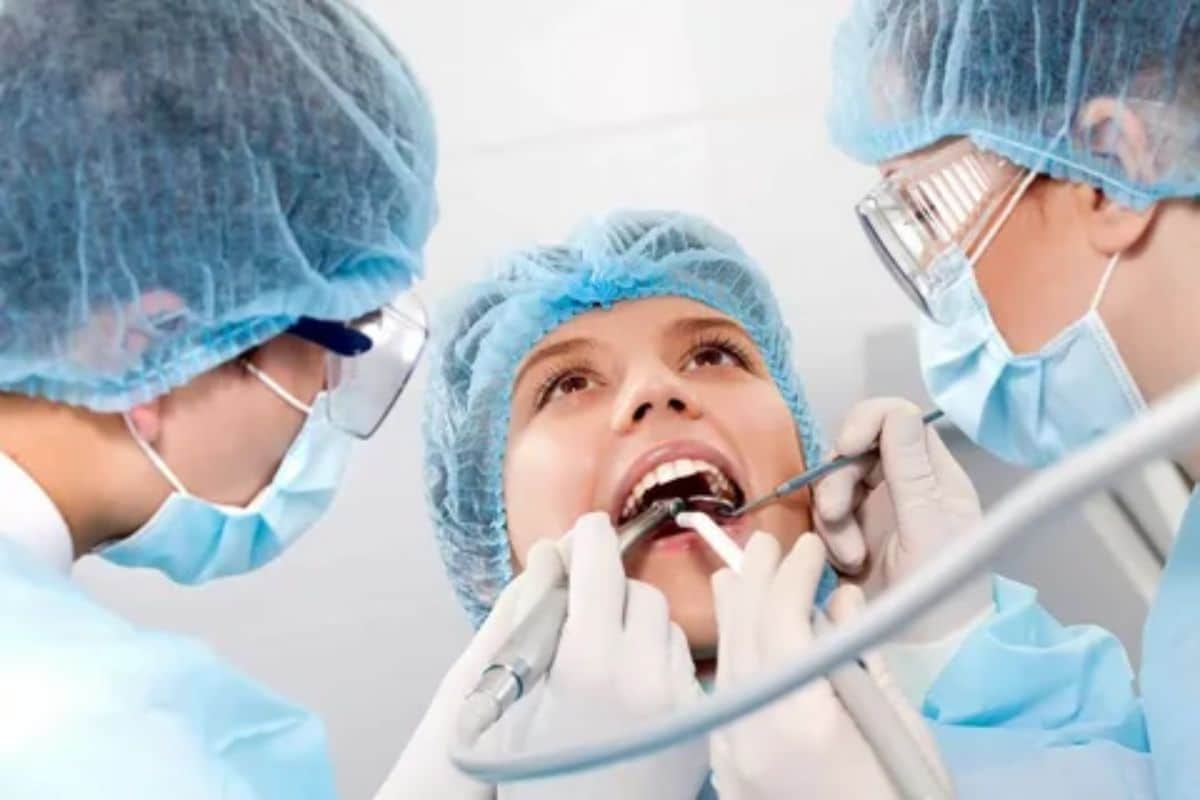
Dental emergencies can occur at any time, whether you’re enjoying your favorite meal, playing sports, or simply going about your busy day. Knowing the steps to take in such a situation can prevent unnecessary damage and save your teeth. In this article, we’ll go over the steps to handle a dental emergency and how to ensure you receive proper care from a Fayetteville emergency dentist.
What Constitutes a Dental Emergency?
A dental emergency is any condition that requires urgent treatment to address an injury, infection, or severe pain affecting your teeth, gums, or jaw. Some common examples include knocked-out teeth, severe toothaches, broken or chipped teeth, and soft tissue injuries that involve cuts to your gums or lips. In such situations, it’s essential to understand what steps to take before visiting your emergency dentist.
Emergency Dentistry: Act Now
The initial moments of a dental emergency can make all the difference. How you respond will play a significant role in the outcome of your treatment. Let’s take a look at some common dental emergencies and what you should do before heading to your Fayetteville emergency dentist.
Knocked-Out Tooth
If a tooth is knocked out, prompt action increases the likelihood of saving it. Here’s what you need to do:
- Handle the tooth carefully – Do not touch the root. Handle it by the crown (the top part) to avoid damaging sensitive tissues.
- Rinse the tooth – Gently remove dirt and debris using clean water or saline solution. Do not rub the tooth or attempt to remove any tissue fragments attached.
- Reinsert the tooth into its socket – If possible, push the tooth back into the socket and bite down gently on a piece of gauze or a clean cloth.
- Store the tooth properly – If reinserting the tooth is not an option, place it in a container of milk or saline solution. Do not use tap water, as it can damage the tooth’s cells.
Seek a reputed emergency dentistry in Fayetteville as soon as possible. Time is of the essence, and the sooner you get to the dentist, the better your chances of saving the tooth.
Aggravated Toothache
A severe toothache often indicates a more serious issue such as an infection, tooth decay, or an abscess. Here’s what you should do:
- Rinse your mouth – Use warm water to clean the area around the painful tooth, as this can help dislodge any food particles stuck between your teeth.
- Apply cold compresses – If your pain is accompanied by swelling, apply a cold compress to your cheek to reduce inflammation and provide temporary relief.
- Take over-the-counter pain relievers – Use ibuprofen to manage discomfort until you can see a dentist. Avoid placing aspirin directly on your gums, as it can irritate the tissues.
Contact an emergency dentist in Fayetteville as soon as possible to receive appropriate treatment and alleviate the pain.
Broken or Chipped Tooth
If you break or chip a tooth, it’s important to take steps to prevent further damage:
- Rinse your mouth – Use warm water to clean the affected area.
- Save the fragments – Collect any broken pieces of the tooth and store them in a clean container. Your dentist may be able to reattach them.
- Stop bleeding – If bleeding occurs, apply gauze or a clean cloth to the area, pressing gently to stop the bleeding.
- Apply a cold compress – Place a cold compress on your cheek to reduce swelling.
Schedule an emergency visit with your Fayetteville dentist as soon as possible to explore treatment options like bonding, veneers, or a crown.
Soft Tissue Injuries
Dental emergencies can also involve injuries to the gums, cheeks, lips, or tongue. These injuries may cause significant bleeding or swelling, requiring immediate attention.
- Rinse your mouth – Gently rinse the area with a saline solution.
- Control bleeding – Apply pressure to the affected area using gauze or a clean cloth.
- Apply a cold compress – Use ice or a cold compress to reduce swelling.
If the bleeding doesn’t stop after a few minutes or if the injury is severe, seek emergency dental care in Fayetteville right away.
When to Call an Emergency Dentist in Fayetteville
While some dental problems can wait until your next routine appointment, others require immediate professional attention. Dental emergencies that demand urgent care include:
- Knocked-out or loose teeth
- Severe toothaches or infections
- Uncontrolled bleeding
- Cracked or broken teeth
- Significant swelling in your gums or face
An emergency dentist in Fayetteville can provide immediate care to relieve pain, prevent infections, and repair damage. Delaying treatment could lead to more complicated problems in the future, so it’s essential to act quickly.
Conclusion
Many dental emergencies can cause permanent damage if not treated immediately. Understanding how to respond to these emergencies can help you stay calm and protect your teeth. If you experience any of the conditions mentioned above, don’t hesitate to Book an Appointment with emergency dentist in Fayetteville for timely, professional care.