
Blog
Lucke Dental is the premiere dental practice in Fayetteville, AR. Our blog is meant to educate our patients and anyone looking for dental information
Why Composite Bonding is the Perfect Finishing Touch
posted: September 5, 2025
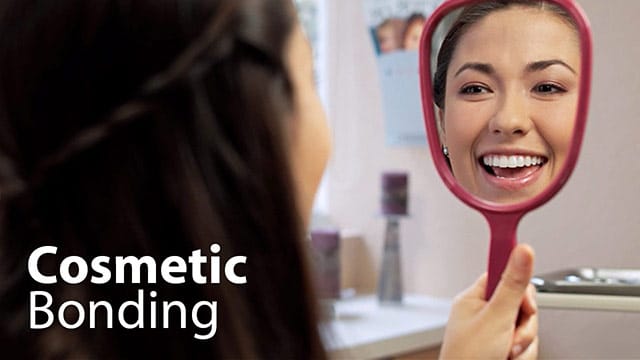
Cosmetic dentistry continues to evolve, giving patients more options to refine their smiles without extensive procedures. Among these options, tooth bonding has gained attention for its simplicity and effectiveness. By addressing minor flaws in teeth, bonding can create balance and harmony, making it a reliable finishing touch in many treatment plans.
Understanding the Tooth Bonding Procedure
In this procedure, a tooth-colored resin is applied to the surface of the teeth. Once shaped and sculpted, the resin is hardened using a curing light, which bonds the material securely in place. The procedure is minimally invasive and usually needs little to no anesthesia. Due to its versatility, our reliable cosmetic dentist in Fayetteville often recommends bonding to correct small chips, close gaps, or cover stubborn stains.
Advantages of Dental Bonding
When it comes to the perks of this cosmetic procedure, here are some of the most significant ones:
Natural Appearance
One of the greatest benefits of this procedure is its ability to mimic natural enamel. The resin is carefully shade-matched, so it blends seamlessly with the surrounding teeth.
Conservative Treatment
Unlike crowns or veneers, bonding usually does not require significant removal of enamel. This makes it a conservative choice that preserves the tooth’s original structure.
Single-Visit Convenience
In many cases, the entire procedure can be completed in one appointment. Patients can walk in with small imperfections and walk out with a noticeably improved smile.
Comfortable and Painless
Since little preparation is needed, patients rarely require numbing. The process is gentle and easy to tolerate.
Cost-Effective
Compared to other cosmetic treatments, bonding offers a more affordable option for those seeking quick improvements.
How Long Does It Last?
While tooth bonding provides excellent results, it is not indestructible. On average, bonding lasts between three and ten years, depending on oral habits and care. Good hygiene practices, such as brushing twice a day, flossing, and visiting the dental professional regularly, can extend one’s life. Avoiding hard objects like ice or pens, as well as minimizing foods and drinks that stain, will also help maintain its appearance.
When Bonding Works Best?
This procedure is one of the most effective for patients with healthy teeth who want to improve small imperfections. It is not ideal for major damage or severe misalignment. In such cases, alternative treatments may be more appropriate. A consultation with a cosmetic dentist in Fayetteville can help determine whether bonding is the right solution for your smile goals.
Composite Bonding vs. Other Options
- Veneers: Veneers provide long-lasting stain resistance and can address larger issues, but they require more enamel removal.
- Crowns: Crowns cover the entire tooth and are used for structural issues, not just cosmetic ones.
- Whitening: Whitening treatments brighten natural enamel but do not correct chips, gaps, or uneven edges.
Bonding occupies a unique place among these treatments; it is affordable, minimally invasive, and effective for subtle improvements. Consulting a cosmetic dental practitioner when considering these options helps patients select the treatment that best suits their needs.
FAQs About Dental Bonding
1. How long does dental bonding last?
This process usually lasts between 3 and 10 years. Its lifespan depends on your oral habits, daily care, and whether you avoid chewing on hard objects.
2. Does cosmetic bonding look natural?
Yes. The resin is color-matched to your teeth, so the results blend seamlessly with your natural enamel.
3. Is dental bonding painful?
No. The procedure is typically painless and often does not require anesthesia. Most patients find it very comfortable.
4. Can dental bonding fix gaps between teeth?
Yes, this treatment can close small gaps by adding resin to reshape the edges of your teeth, creating a more uniform look.
5. Is bonding better than veneers?
It depends on your needs. Bonding is affordable and minimally invasive, but less durable than veneers. Veneers last longer and resist stains but require more enamel removal.
Taking the Next Step Toward Your Perfect Smile
Composite bonding offers a practical and natural-looking way to enhance the appearance of teeth. Its conservative approach, affordability, and ability to deliver same-day results make it an excellent finishing touch for many smiles. While it may require maintenance over time, the benefits often outweigh the drawbacks for patients seeking modest improvements.
At Lucke Dental, we want to find out whether composite bonding is the right solution for your oral problem? in their journey toward a healthier, more confident smile.