
Blog
Lucke Dental is the premiere dental practice in Fayetteville, AR. Our blog is meant to educate our patients and anyone looking for dental information
Catching Gum Problems Before They Turn Into Something Bigger
posted: July 16, 2026
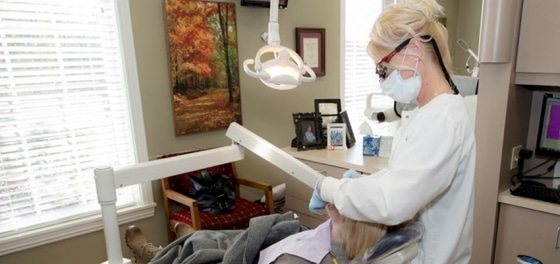
Bleeding gums when you floss. A little tenderness when you bite into something crunchy. Most people brush these signs off as minor, figuring it’s just how gums are sometimes. But early gum disease rarely announces itself loudly it shows up in small, easy-to-ignore ways, and left alone, it can progress into something that eventually threatens the teeth themselves.
The encouraging part is that catching it early usually means treatment doesn’t have to involve surgery at all. Deep cleaning and non-surgical gum treatment in Fayetteville has become one of the more common conversations at Lucke Dental, especially with patients who’ve never had a gum issue flagged before and are surprised to learn there’s something going on beneath the surface that a regular cleaning alone hasn’t been catching.
A deep cleaning procedure, often called scaling and root planing, is typically the first line of treatment. It clears out plaque and tartar that have built up below the gumline, smooths the tooth root to help gums reattach, and in many cases stops the progression of gum disease before it requires anything more invasive like surgical intervention.
Signs it might be worth getting checked:
- Gums that bleed during brushing or flossing
- Persistent bad breath that doesn’t go away with brushing
- Gums that look red, puffy, or slightly pulled back from the teeth
- Teeth that feel a little looser than they used to
- Sensitivity that seems to be getting worse over time
- Visible buildup or discoloration near the gumline
Fayetteville’s warmer months bring plenty of backyard cookouts and sweet tea, and it’s an easy season to let flossing habits slip. A lot of patients come in after noticing bleeding gums during a routine cleaning and are relieved to learn that a non-surgical approach can often resolve it before it becomes a bigger problem down the road.
What the treatment process actually involves
Most non-surgical gum treatment starts with a periodontal evaluation, where measurements are taken around each tooth to assess how deep the gum pockets have become. Based on those numbers, the office will typically recommend one or two visits of scaling and root planing, often numbing the area first so the process is more comfortable. After treatment, a follow-up visit a few weeks later checks how well the gums have responded and whether additional care, like more frequent cleanings, is needed to keep things stable going forward.
FAQs
Is a deep cleaning painful? Local anesthetic is typically used, so most patients feel pressure rather than pain. Some mild soreness afterward is normal and usually resolves within a couple of days.
How many visits does it take? It depends on how much buildup has occurred, but many cases are handled over one or two appointments, often treating one side of the mouth at a time.
Will I need surgery eventually? Not necessarily. Non-surgical treatment combined with better home care and regular maintenance cleanings is often enough to keep gum disease from progressing further.
How often should I get checked after treatment? Most patients move to more frequent maintenance cleanings, often every three to four months, to keep gum health stable going forward.
Can gum disease come back after treatment? It can, especially if home care habits slip again, which is why the maintenance cleaning schedule matters just as much as the initial treatment itself.
Does gum disease actually affect more than just my mouth? Research has linked gum health to broader health concerns, which is part of why the team takes early signs seriously rather than waiting until symptoms worsen.
Gum disease is one of those things that’s far easier to manage early than after it’s advanced. If you’ve noticed any of the signs above, it’s worth getting it looked at sooner rather than later, before it turns into a bigger and more expensive problem.