
Blog
Lucke Dental is the premiere dental practice in Fayetteville, AR. Our blog is meant to educate our patients and anyone looking for dental information
What Happens If You Need a Dental Implant After a Tooth Extraction?
posted: September 25, 2026
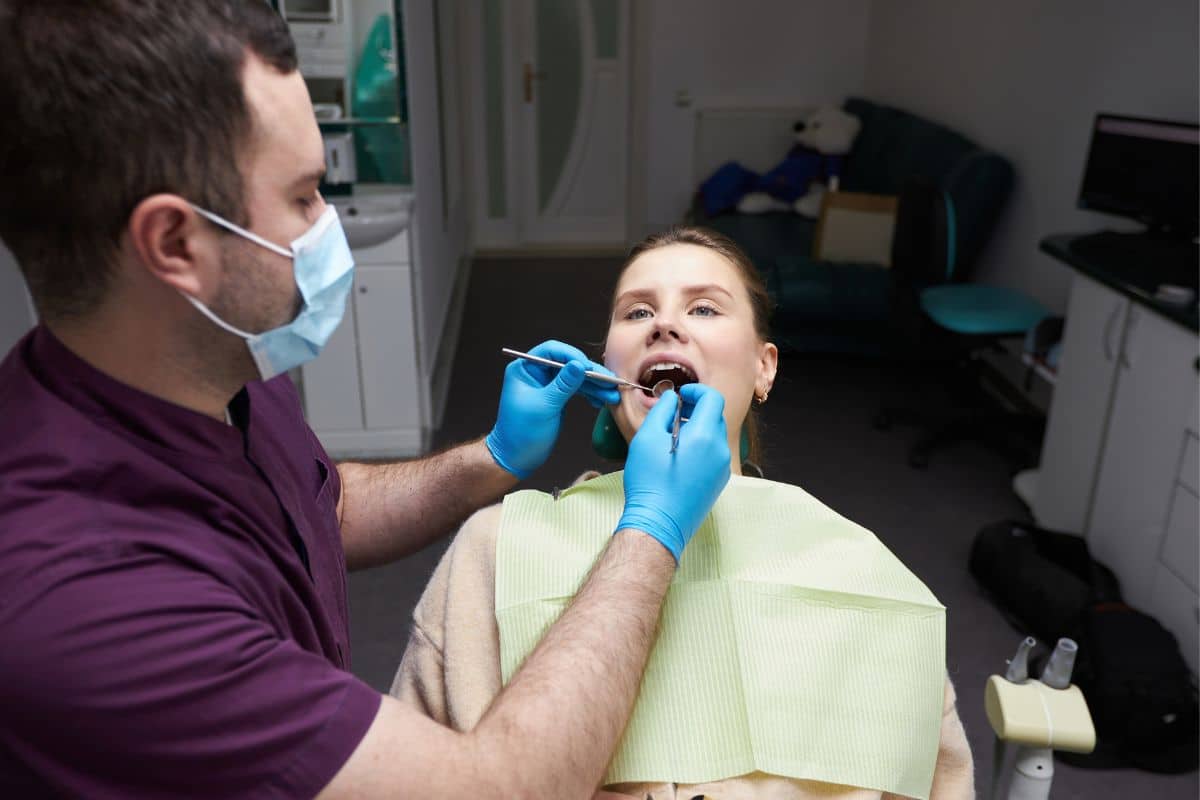
When a tooth cannot be saved and needs to be removed, many patients begin thinking about what comes next. An extraction addresses the immediate problem, but it does not replace the missing tooth. If you are considering dental implants in Fayetteville, understanding what happens between tooth removal and final restoration can make the process easier to understand.
Dental implant treatment involves more than placing an artificial tooth. The condition of the extraction site, surrounding bone, gum health, and overall oral health can all influence the treatment plan. Lucke Dental provides implant dentistry as part of its range of dental services, including options for replacing missing teeth.
Why Tooth Replacement Is Discussed After Extraction
Once a tooth is removed, the space left behind changes the way the surrounding area functions. Nearby teeth can gradually move into the empty space, while the bone that once supported the tooth may begin to change.
That does not mean every patient must replace a tooth immediately. However, discussing replacement options early gives you a better understanding of what is possible and whether timing could affect future treatment.
Dental implants are one option because they are designed to replace the visible tooth while also providing support within the jaw.
What Is Evaluated Before Implant Treatment?
An implant consultation typically begins with an examination of the mouth and the area where the tooth is missing.
Your dentist may evaluate:
- The condition of the gums
- The amount and quality of available bone
- The position of neighboring teeth
- Your bite
- Existing dental restorations
- Overall oral health
- Your medical and dental history
Digital imaging may also be used to assess the anatomy of the treatment area and plan implant placement.
The information gathered during this evaluation helps determine whether an implant is appropriate and whether additional treatment may be needed before placement.
What If Bone Has Changed After Tooth Loss?
Bone changes after tooth loss are a normal part of the healing process. If there is not enough bone to provide adequate support for an implant, bone grafting may sometimes be considered.
The timing depends on the individual situation. In some cases, extraction and grafting may be performed together. In other situations, healing time may be needed before implant placement.
Lucke Dental’s existing implant information explains that bone grafting may be used when the bone is too thin or has deteriorated and that additional healing time can affect the overall treatment timeline.
What Are the Main Stages of Implant Treatment?
Although every case is different, implant treatment commonly involves several stages.
Evaluation and planning: Your dental team examines the treatment area and determines whether an implant is appropriate.
Extraction, when necessary: If the tooth is still present and cannot be saved, it may need to be removed.
Bone healing or grafting: Some patients need time for the area to heal or for additional bone to develop before implant placement.
Implant placement: The implant post is positioned in the jawbone.
Healing and integration: The implant needs time to integrate with the surrounding bone. This process, called osseointegration, provides the foundation for the final restoration.
Final restoration: Once healing is adequate, a custom restoration is attached to complete the replacement tooth.
The overall process can take several months, particularly when extraction, grafting, or additional healing is involved.
Why Healing Time Matters
It can be tempting to focus on getting the final tooth as quickly as possible, but healing is an important part of implant treatment.
The implant needs time to integrate with the surrounding bone before it can reliably support the final restoration. Your dentist will monitor the healing process and determine when it is appropriate to move forward.
Following post-treatment instructions and maintaining good oral hygiene can support the healing process.
How Should You Care for a Dental Implant?
Once the implant and restoration are in place, daily oral hygiene remains important. Brush and floss according to your dental team’s recommendations, and continue with regular dental examinations.
Although the implant itself is not a natural tooth, the surrounding gums and bone still need to remain healthy. Bacteria and gum inflammation can affect the tissues supporting the implant.
At Lucke Dental, regular professional care can help monitor the implant, surrounding tissues, and the rest of your mouth over time.
Is an Implant Always the Right Choice?
Not necessarily. Dental bridges, partial dentures, and other tooth-replacement options may be appropriate depending on your situation. For those exploring dental implants in Fayetteville, it can be helpful to understand how these options compare.
The right choice depends on factors such as the location of the missing tooth, your oral health, bone condition, preferences, budget, and long-term goals.
A consultation can help you compare your options and determine which approach may fit your individual needs rather than assuming one treatment is right for everyone.
Planning Tooth Replacement After an Extraction
Losing a tooth can leave you with many questions, particularly if you are considering an implant. Understanding the evaluation process, possible bone changes, healing stages, and restoration timeline can help you make an informed decision.
If you are exploring dental implants in Fayetteville after an extraction or are planning to have a tooth removed, schedule a consultation with Lucke Dental today to discuss your tooth-replacement options and determine what may be appropriate for your oral health.
Frequently Asked Questions
1. Can an implant be placed immediately after an extraction?
In some cases, extraction and implant placement may be possible during the same appointment. The decision depends on factors such as the condition of the extraction site and available bone.
2. What happens if I do not have enough bone for an implant?
Bone grafting may sometimes be recommended to improve the available support. Your dentist can determine whether this is necessary after evaluating the treatment area.
3. How long does the entire implant process take?
The timeline varies. Cases involving extraction, grafting, or additional healing may take several months. Your dentist can provide a more individualized estimate.
4. Is dental implant treatment painful?
Implant placement is performed with anesthesia, and your dental team can discuss comfort measures appropriate for your procedure. Some soreness or swelling may occur during recovery.
5. How do I care for a dental implant after treatment?
Continue brushing, flossing, and attending regular dental visits. Keeping the gums and surrounding tissues healthy is important for the long-term function of the implant.
6. Are dental implants the only way to replace a missing tooth?
No. Depending on your needs, bridges or removable prosthetics may also be options. A dental evaluation can help you compare the choices available to you.