
Blog
Lucke Dental is the premiere dental practice in Fayetteville, AR. Our blog is meant to educate our patients and anyone looking for dental information
How Long Does a Dental Implant Take from Start to Finish?
posted: June 5, 2025
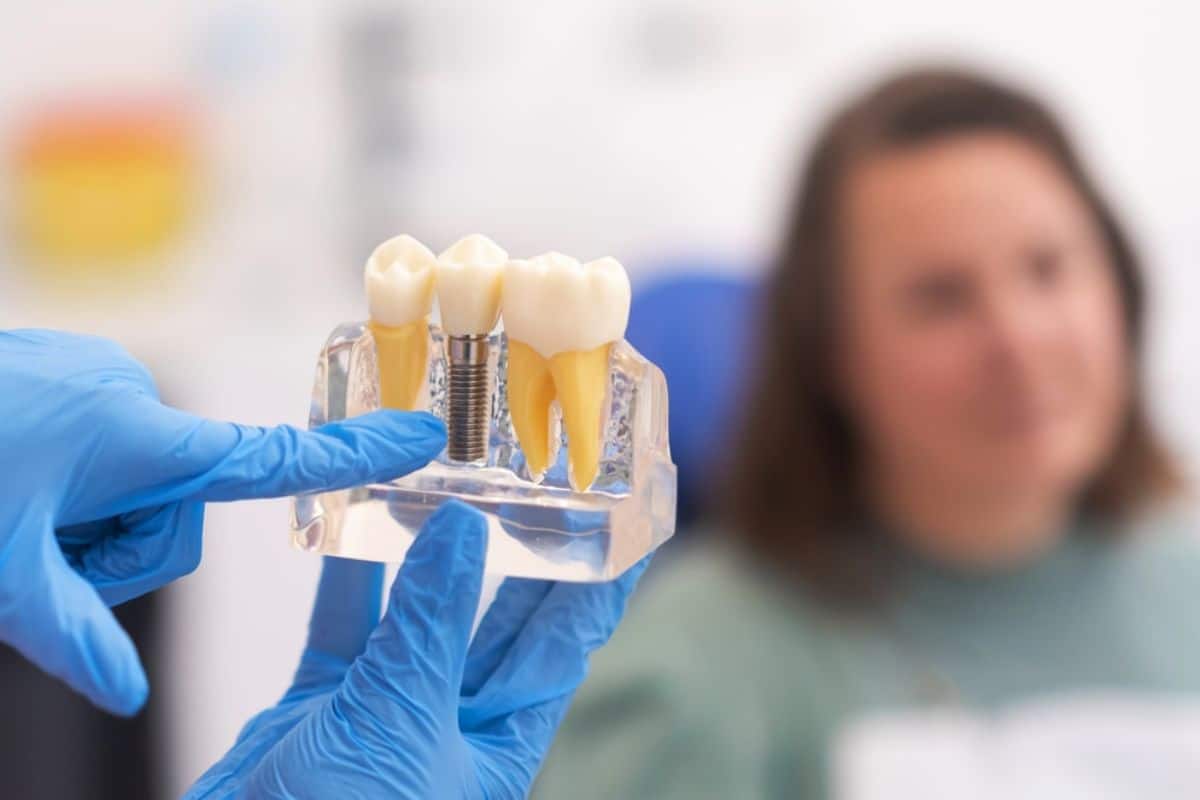
Are you considering implants to replace your missing teeth but unsure what to expect during the procedure? Wondering how long the process takes to restore your smile with dental prostheses? All these queries are answered in this blog post. Continue reading to determine what each stage has to offer in the tooth replacement journey.
To better understand the timeframe of dental implants, let’s discuss the steps one by one.
1. Initial Consultation
The process begins with a detailed assessment of your missing teeth that is often completed in a single dental visit. Expect the session to last between 30 and 60 minutes. Here’s what happens during the initial consultation before receiving dental implants in Fayetteville.
Exam and Digital Imaging
Your dentist will examine your mouth using X-rays or a CBCT scan. The objective is to evaluate your bone structure, gum health, and tooth alignment to ensure your candidacy for artificial teeth.
Health Reviews and Recommendations
During the appointment, your medical history, smoking habits, and oral conditions, such as gum disease, are thoroughly reviewed. These factors influence healing and long-term success with prosthetic teeth.
2. Treatment Planning
Precise planning ensures that the implant surgery is tailored to your anatomy. You can expect this to be ready during the consultation or within the next 1-2 weeks.
- Mapping and Digital Planning
Imaging is used to map the exact placement of your post. This avoids complications and supports a natural-looking final restoration.
- Preparing for the Surgical Process
You may be scheduled for additional pre-surgery treatments, such as cleanings or periodontal care, if necessary. Planning may also involve creating a custom surgical guide to ensure a smooth tooth replacement experience.
3. Tooth Extraction and Bone Graft
When it comes to extraction followed by bone grafting, consider scheduling one or two appointments to complete these procedures. Next comes the healing phase, which can last between 1 and 2 months or even longer. This duration usually depends on the severity of the oral condition. Once the bone graft is performed, recovery can take an additional 3 to 4 months.
If the tooth hasn’t already been removed, here’s what happens.
- Tooth Extraction
Simple removals are quick and straightforward, usually requiring minimal recovery. In some cases, extraction and implant placement can be done in the same visit.
- Bone Grafting
If the bone has deteriorated or is too thin to support the implant post, a graft is used to rebuild it. This adds several months to the timeline, as complete healing and bone regeneration are required before surgery.
4. Implant Post Surgery
The implant post is placed into the jawbone to act like a tooth root. Approximately 1 hour is required to perform this surgery safely and effectively.
- Precise Placement
A small incision is made in the gum to insert the post. This is done under local anesthesia or mild sedation, depending on the patient’s tolerance to pain or anxiety level.
- Post-op Recovery
Healing begins immediately and usually involves minor swelling or discomfort for a few days. Sutures may be placed and removed within the next 1 to 2 weeks.
- Combining Steps
In some cases, extraction, grafting, and post-placement can be combined into a single visit. If this is needed in your case, it can shorten the total duration of receiving dental implants by several months.
5. Healing and Osseointegration
This is the most time-intensive and essential phase, where you wait for successful integration between the prosthetic root and bone. Expect this entire process of osseointegration and healing to be completed in 3 to 6 months.
- Bone Fusion
Over several months, the post gradually fuses with your jawbone. Osseointegration gives the implant long-term strength and stability.
- Interim Solutions
If your new tooth is in a visible area, a temporary crown may be used to maintain the aesthetics of your smile while healing occurs.
- Monitoring
You will be asked to return for follow-up appointments to ensure the surgical site is healing properly. Following post-op instructions from your dentist is critical during this time.
6. Final Crown or Tooth Placement
Once healing is complete, the final step restores your visible smile. In general, you will need to schedule one or two appointments to attach the final crowns. Let’s get an overview of what to expect during this stage.
- Abutment Attachment
A connector piece (abutment) is placed onto the post, sometimes with the help of a minor gum adjustment. Healing from this step may take an additional 1 to 2 weeks if the tissue needs time to shape around the new tooth.
- Crown Fabrication and Fitting
Digital scans or impressions are taken to create a crown that matches your existing teeth. Depending on the technology, this can be done in-office or sent to a lab, which takes about 1 to 2 weeks.
- Final Adjustments
Once the crown is placed, a final evaluation is done to check the bite and smile aesthetics. The new tooth should look and function like a natural one.
The journey doesn’t end after the placement of the permanent crowns. Ongoing care ensures your new tooth stays functional and healthy. While the post can last a lifetime with proper care, the visible crown lasts 10 to 15 years and may need replacement.
On average, the entire implant process takes 4 to 9 months. To understand the timeline and how it depends on your healing rate and grafting needs, consult with our dentist for personalized guidance. While it requires patience, the outcome is a natural-looking, stable tooth that matches the rest of your smile.