
Blog
Lucke Dental is the premiere dental practice in Fayetteville, AR. Our blog is meant to educate our patients and anyone looking for dental information
The Benefits Of Flossing For Your Oral Health
posted: May 24, 2023
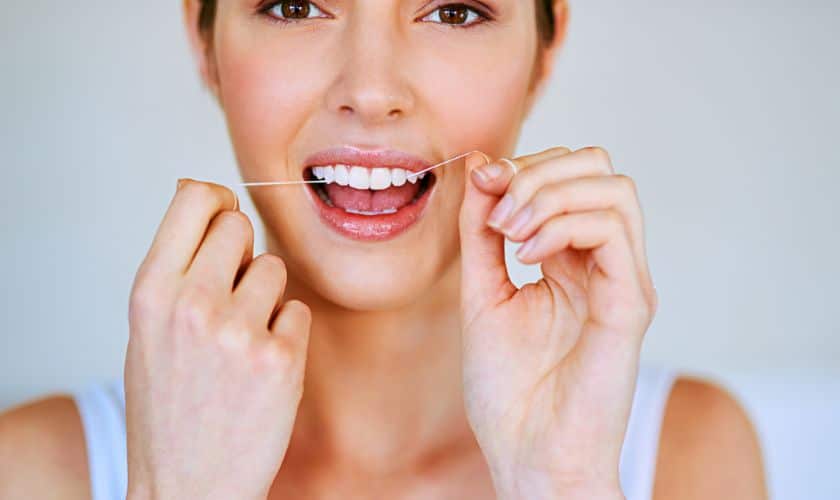
Welcome to our blog post about the benefits of flossing for your oral health! While brushing your teeth twice a day is essential, it’s not enough to achieve optimal oral hygiene. Flossing may seem like an extra step, but it plays a crucial role in maintaining healthy teeth and gums. Get ready to learn all about the power of flossing for your smile!
Why Floss?
Flossing is an essential part of maintaining good oral hygiene. While brushing your teeth twice a day can help remove plaque and food particles from the surfaces of your teeth, flossing helps to reach areas that are difficult to clean with a toothbrush.
The spaces between your teeth are notorious for harboring bacteria and debris, which can lead to bad breath, cavities, and gum disease if left unchecked. Flossing removes these harmful substances before they have a chance to cause damage.
But flossing isn’t just about preventing problems – it also promotes healthy gums. When you floss regularly, you stimulate blood flow in the gums, which helps them stay strong and resilient against infection.
In fact, studies have shown that people who floss daily have significantly lower rates of gum disease than those who don’t. So if you want healthy teeth and gums for life, make sure you’re incorporating regular flossing into your dental routine!
How To Floss?
Flossing is an essential part of a complete oral hygiene routine. It helps remove plaque and food particles that your toothbrush can’t reach. If you’re unsure how to floss properly, don’t worry! Here’s a step-by-step guide on how to floss:
1. Hold the floss tightly between your thumbs and forefingers.
2. Guide the floss gently between your teeth, using a back-and-forth motion.
3. Curve the floss around each tooth in a C-shape and slide it under the gumline.
4. Gently move the floss up and down against the side of each tooth, making sure to clean both sides.
It’s important not to snap or force the floss as this could damage your gums. Use a fresh section of floss for each tooth and don’t forget to clean behind your back molars.
If traditional string floss isn’t working for you, there are other options available such as water picks or interdental brushes which can be just as effective at removing plaque.
By taking just a few extra minutes every day to properly clean between your teeth with dental floss, you’ll help keep cavities at bay while promoting healthy gums and overall oral health!
Types Of Floss
When it comes to flossing, there are a variety of options available on the market. Different types of floss offer different benefits, so it’s worth exploring your options to find the one that works best for you.
One popular type of floss is dental tape. Dental tape is wider and flatter than traditional floss, which can make it easier to use if you have gaps between your teeth or larger spaces. It also tends to be gentler on gums than some other varieties.
Another option is waxed floss. Waxed floss has a slick coating that helps it glide more easily between teeth without getting stuck or shredding. This can be especially helpful if you have tight spaces in your mouth or orthodontic appliances like braces.
For those who prefer an eco-friendly option, biodegradable silk or bamboo-based flosses are available as well. These types of floss break down over time and don’t contribute to environmental waste like plastic-based products do.
Ultimately, the type of floss that works best for you will depend on your individual needs and preferences. Don’t be afraid to try out different types until you find the one that feels most comfortable and effective for keeping your smile healthy!
What To Do If You Can’t Floss
Flossing can be challenging for some people, especially those with braces or dental work. However, there are alternative methods that you can use to clean the spaces between your teeth if flossing is not possible.
Interdental brushes are small brushes that come in different sizes and shapes to fit between teeth and clean areas where floss cannot reach. They are a great option for people who have gaps or missing teeth.
Water flossers use a stream of water to remove plaque and food particles from between your teeth. This method is gentle on the gums and suitable for patients who have sensitive gums or braces.
Another option is using an oral irrigator which uses pulsating water streams to dislodge debris from hard-to-reach areas. It’s a great solution for those who suffer from arthritis or other conditions that make it difficult to hold traditional dental tools like floss.
If none of these alternatives work, consider talking to your dentist about other options such as prescription mouthwash, antimicrobial agents or fluoride supplements.
Remember – maintaining good oral hygiene practices isn’t just about brushing twice daily but also effectively removing bacteria and food particles from all surfaces of your mouth including in-between teeth where toothbrush bristles don’t always reach.
The Bottom Line
Flossing is an essential part of maintaining good oral health. By removing plaque and bacteria from between the teeth, you can prevent cavities, gum disease, and other dental problems.
Remember to floss at least once a day using proper technique and the type of floss that works best for you. If traditional string floss isn’t your thing, there are alternatives like water flossers or interdental brushes that may work better for your needs.
By making flossing a habit in your daily routine, you’ll be doing yourself a favor by improving not just your oral health but also your overall wellness. So go ahead and make it a priority – trust us, your teeth will thank you!