
Blog
Lucke Dental is the premiere dental practice in Fayetteville, AR. Our blog is meant to educate our patients and anyone looking for dental information
The One-Hour Fix Behind a Lot of Fayetteville’s Brightest Smiles
posted: July 14, 2026
Coffee in the morning, red wine at dinner, the occasional glass of sweet tea on a hot Fayetteville afternoon — none of it seems like a big deal day to day, but over the years it adds up on your enamel. Most people don’t notice the gradual dulling until they see an old photo and realize their teeth used to look a shade or two brighter than they do now.
The frustrating part is that store-bought whitening strips rarely deliver the results people are hoping for. They take weeks, the results are uneven, and sensitivity can make the whole process miserable enough that people give up halfway through the box. That’s a big reason so many patients at Lucke Dental ask about doing it professionally instead, especially after trying the drugstore route once already and feeling let down by the results.
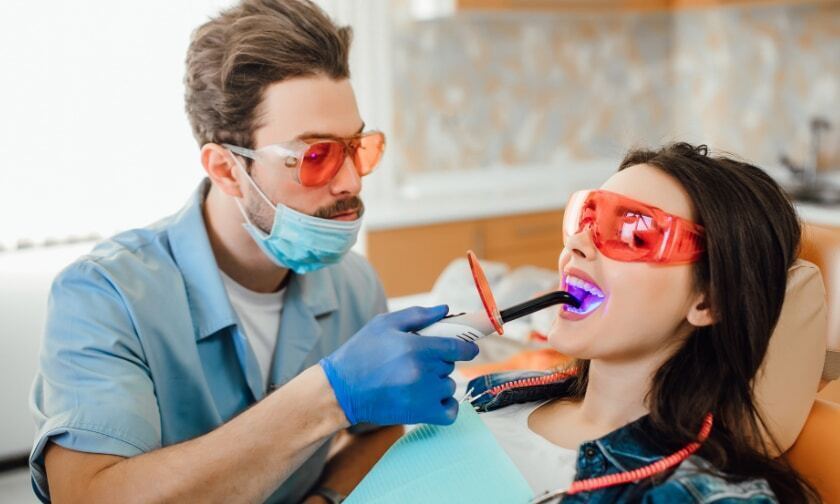
Professional in-office whitening for Fayetteville patients has become one of the more requested cosmetic services at the practice, and it’s easy to see why. The in-office treatment uses a professional-grade whitening gel activated by a special light, and most patients walk out the same day with noticeably brighter teeth — often several shades lighter in about an hour, without the weeks of inconsistent results that at-home kits tend to produce.
Why patients choose the in-office route over drugstore options:
- Results in a single visit instead of weeks of trays or strips
- Whitening gel formulated to be stronger and more even than at-home kits
- A dental professional monitoring gum sensitivity throughout
- Longer-lasting results with simple maintenance afterward
- No guesswork about concentration or application time
- Consistent shade across every visible tooth, not just the front few
A lot of Fayetteville patients book this ahead of a wedding, a big event, or simply because they want a confidence boost before starting a new job or heading into the holidays. It’s quick enough to fit into a lunch break, which matters when you’re juggling work and family across town, especially with how spread out the area has become as the population continues to grow.
What actually happens during the appointment
The process starts with a quick check to make sure your teeth and gums are healthy enough for whitening — cavities or gum issues are typically addressed first, since whitening gel can irritate compromised areas. From there, a protective barrier is applied to your gums, the whitening gel is applied to the teeth, and a special light activates it in cycles, usually lasting fifteen to twenty minutes each. Most appointments involve two to three of these cycles, with the dentist checking your shade progress in between. By the end, most patients see a difference of several shades, though the exact result depends on your starting shade and the nature of any staining.
FAQs
How long do results last? With reasonable care — avoiding heavy staining foods and drinks right after, and keeping up with regular cleanings — results commonly last a year or more.
Does it hurt? Some patients notice mild, temporary sensitivity to hot or cold afterward, but it typically fades within a day or two.
Can everyone get this treatment? Most healthy adults are candidates, though existing dental work like crowns or veneers won’t whiten the same way as natural enamel, which is worth discussing beforehand.
Is it better than at-home kits? For speed and consistency, yes. In-office treatment is closely monitored and delivers more predictable, even results in far less time.
Will my results match exactly what I see in before-and-after photos? Results vary based on your natural tooth shade and the type of staining involved, but the office can give you a realistic expectation during your consultation.
How soon can I eat or drink staining foods afterward? It’s generally best to avoid dark foods and drinks for about 48 hours after treatment while the enamel is more porous and susceptible to new staining.
If your smile has lost some of its shine over the years, an hour in the chair might be all it takes to get it back. Booking a consultation is a simple first step toward seeing what’s possible, and most patients walk out wishing they’d done it sooner.