
Blog
Lucke Dental is the premiere dental practice in Fayetteville, AR. Our blog is meant to educate our patients and anyone looking for dental information
The Use Of Laser Therapy In Gum Disease Treatment
posted: March 21, 2023
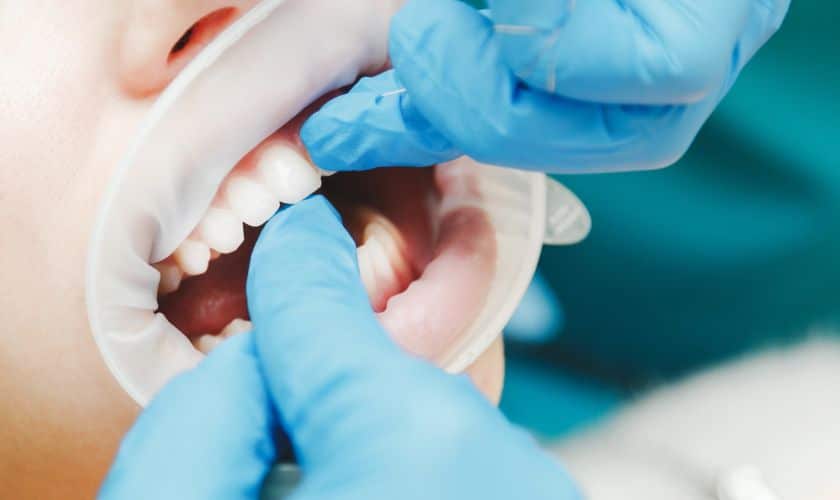
Attention all dental enthusiasts and those suffering from gum disease! Are you tired of painful, invasive treatments that leave you with a long recovery time? Look no further as laser therapy is revolutionizing the way we treat gum disease. Say goodbye to traditional methods and hello to the future of dentistry. In this blog post, we will explore how laser therapy is transforming the field of periodontics and why it’s quickly becoming a go to treatment option for patients worldwide. Get ready to discover how this cutting-edge technology can help improve your oral health in no time!
What Is Laser Therapy?
Laser therapy is a cutting-edge treatment option for gum disease that can effectively kill the bacteria that cause the infection. The laser targets and destroys the bacteria without harming the surrounding tissues. This makes it an ideal treatment option for those who are seeking a minimally invasive way to treat their gum disease.
What Are The Benefits Of Laser Therapy?
Laser therapy is a relatively new technology that is being used more and more in the medical field. Laser therapy can be used to treat a variety of conditions, including gum disease. Gum disease is a serious condition that can lead to tooth loss and other health problems. Laser therapy can be an effective treatment for gum disease.
Some of the benefits of laser therapy include:
1. It can kill bacteria that cause gum disease.
2. It can help to remove tartar and plaque from teeth.
3. It can stimulate the growth of new tissue.
4. It can help to reduce inflammation and bleeding in the gums.
5. It is less invasive than traditional surgery for treating gum disease.
How Does Laser Therapy Work?
Laser therapy is a cutting-edge treatment option for gum disease that can be used to remove infected tissue and bacteria from the gums. This minimally invasive procedure uses a focused beam of light to target and destroy the bacteria that cause gum disease, without damaging the healthy tissue surrounding it. Laser therapy is effective in treating mild to moderate gum disease, and can be used as an alternative to traditional periodontal surgery.
During laser therapy, your dentist or periodontist will direct the laser beam at your gums. The high-energy light will kill the bacteria that are causing your gum disease. As the laser destroys the bacteria, it will also remove any inflamed or damaged tissue. This will leave you with healthy, pink gums that are free of infection.
Laser therapy is a quick and painless procedure that can be done in one or two office visits. There is no downtime associated with this treatment, so you can return to your normal activities immediately after your appointment.
How Is Laser Therapy Used To Treat Gum Disease?
Laser therapy can be used to treat several different dental conditions, including gum disease. Gum disease is an infection of the gums that can cause inflammation, bleeding, and eventual tooth loss if left untreated. Laser therapy can be used to remove the bacteria that cause gum disease, as well as to shrink the size of the gum tissue so that it is less likely to become infected again. laser therapy is a painless and effective way to treat gum disease, and it can often be done in just one or two visits to the dentist.
The Bottom Line
Laser therapy is quickly becoming a popular method for treating gum disease, and with good reason. This revolutionary dental treatment provides patients with fast, effective results and relieves them of many painful symptoms caused by gum disease. Whether you’re dealing with gingivitis or periodontal disease, laser therapy can help make your experience easier and more comfortable. If you are considering using laser therapy to treat your gum condition, be sure to talk to a qualified dentist first who can assess the best course of action for you.