
Blog
Lucke Dental is the premiere dental practice in Fayetteville, AR. Our blog is meant to educate our patients and anyone looking for dental information
What Actually Happens When You Replace a Missing Tooth
posted: July 28, 2026
A missing tooth changes more than just your smile. Chewing gets harder on that side, nearby teeth can start to shift into the empty space over time, and even speech can be affected depending on where the gap is. It’s one of those problems that tends to get worse the longer it’s left alone, no matter how easy it might seem to ignore at first.
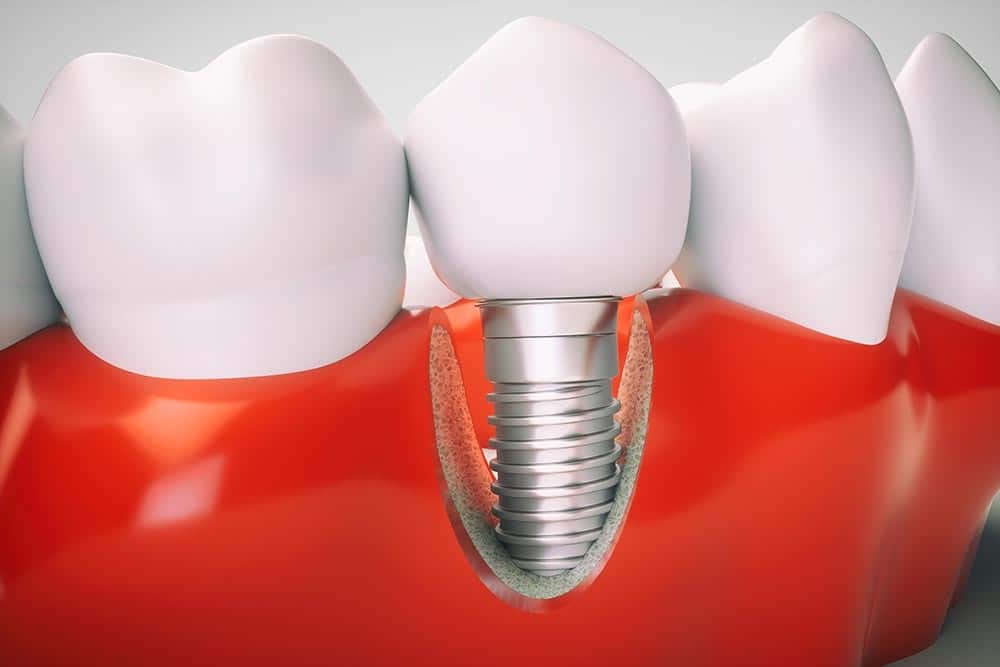
Permanent tooth replacement with dental implants near Fayetteville is what Lucke Dental patients have turned to when they’re ready to solve that problem at the root — literally. A small titanium post is placed into the jawbone where the tooth used to be, and once it fuses with the bone over a few months, a custom crown is attached on top. The result functions and looks like a natural tooth, without relying on the neighboring teeth for support the way a bridge does.
Why so many patients end up choosing implants over other options:
- They don’t require altering healthy adjacent teeth, unlike a traditional bridge
- They help preserve jawbone density, which can shrink after tooth loss
- With good care, they’re built to last many years, often decades
- They function like a real tooth for biting and chewing
- They blend in visually with the rest of your smile
- They don’t require special adhesives or nightly removal like a denture
Losing a tooth as an adult can feel embarrassing to talk about, but it’s more common than people think, whether from an injury, an old filling that finally gave out, or gum disease that progressed too far. The team at Lucke Dental treats it as the practical problem it is, walking patients through what the process looks like from start to finish rather than making them feel self-conscious about how it happened.
What the timeline typically looks like
The process usually begins with an evaluation, including imaging to assess bone density in the area. If the bone is healthy enough, the implant post is placed during a relatively short procedure, followed by a healing period of a few months while the post fuses with the jawbone. Once that integration is confirmed, an abutment and custom crown are attached, completing the restoration. For patients who don’t have enough bone density initially, a bone graft may be recommended first, which adds some time to the overall process but improves the long-term success of the implant.
FAQs
How long does the whole process take? It varies, but from placement to final crown, the process often spans a few months to allow proper healing and integration with the bone.
Does the procedure hurt? Most patients report the recovery is more manageable than expected, with discomfort similar to a tooth extraction that improves within a few days.
Am I a candidate if I’ve been missing a tooth for years? Often yes, though bone density in the area matters and will be evaluated first. Some patients need a bone graft beforehand.
How do implants compare cost-wise to a bridge? Implants can have a higher upfront cost, but their durability and the fact that they don’t affect neighboring teeth make them a strong long-term investment for many patients.
What happens if I lose more than one tooth in the same area? Multiple implants, or an implant-supported bridge, can often be used depending on how many teeth are missing and the condition of the surrounding bone.
How do I take care of an implant once it’s in place? Brushing and flossing around it just like a natural tooth, along with regular checkups, is generally all that’s needed to keep it in good shape for years to come.
If a gap in your smile has been on your mind, a consultation is the best way to find out whether implants are the right fit for your situation — and to finally get a plan in place to fix it for good.