
Blog
Lucke Dental is the premiere dental practice in Fayetteville, AR. Our blog is meant to educate our patients and anyone looking for dental information
When a Single Missing Tooth Becomes a Bigger Oral Health Issue
posted: January 7, 2026
Losing one tooth might not seem like a big deal at first. Many people in Fayetteville brush it off, especially if the gap isn’t visible when they smile. Life stays busy with work, family, school schedules, and everyday responsibilities take priority. But what often goes unnoticed is how quickly one missing tooth can start a chain reaction that affects your entire mouth.
What starts as a small space can quietly lead to shifting teeth, bite problems, jawbone loss, and even changes in facial appearance. Understanding what’s happening beneath the surface can make all the difference in protecting your long-term oral health.
Why One Missing Tooth Rarely Stays a Small Problem
Your teeth work as a team. Each one supports the other, keeping your bite balanced and your jawbone stimulated. When a single tooth is lost, whether from injury, decay, or gum disease, the surrounding teeth begin to compensate.
Over time, nearby teeth may drift into the space. Opposing teeth can shift downward or upward in search of contact. This movement may seem subtle, but it can lead to uneven wear, jaw discomfort, and increased difficulty chewing.
For many patients seeking care from an implant dentist whom Fayetteville residents trust, the biggest surprise is how much damage has occurred simply from waiting too long.
The Hidden Impact on Jawbone Health
One of the most overlooked effects of a missing tooth is bone loss. Your jawbone relies on regular stimulation from chewing to stay strong. When that stimulation disappears, the bone in that area begins to shrink.
In Fayetteville, where many people enjoy hearty meals and active lifestyles, jawbone loss can quietly change how your mouth functions. Over time, this loss may affect neighboring teeth and even alter the shape of your face, causing a sunken or aged appearance around the mouth.
Replacing a missing tooth early helps preserve bone structure and keeps future treatment options simpler.
How a Missing Tooth Can Affect Daily Life
First, most people adjust their chewing habits without realizing it. They favor one side of the mouth or avoid certain foods altogether. Over time, this imbalance can strain jaw muscles and contribute to headaches or TMJ discomfort.
Speech can also be affected, especially if the missing tooth was involved in forming certain sounds. Social confidence may take a hit, too, particularly in professional or social settings common around Fayetteville’s growing business and community spaces.
What may seem manageable today can slowly impact comfort, appearance, and confidence.
Why Dental Implants Are Often Recommended
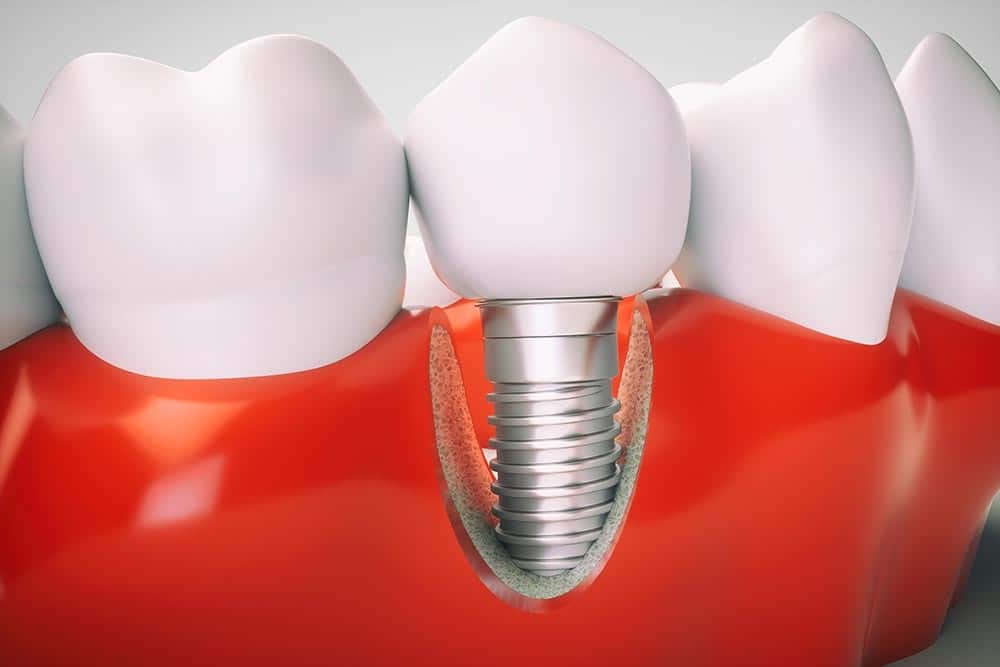
Dental implants are designed to replace both the visible tooth and its root. This makes them different from temporary or removable options. By anchoring directly into the jawbone, implants help restore natural chewing forces and prevent bone loss.
When placed by an experienced implant dentist whom Fayetteville patients rely on, implants feel stable and function like natural teeth. They don’t depend on neighboring teeth for support and don’t shift over time.
For many Fayetteville residents, this long-term reliability makes implants a preferred solution rather than a short-term fix.
Signs It’s Time to Address a Missing Tooth
If you’re unsure whether replacing one missing tooth is urgent, here are a few signs it may be time to act:
- Teeth near the gap are shifting or tilting
- Chewing feels uneven or uncomfortable
- Food frequently gets trapped in the space
- Jaw soreness or bite changes have developed
- You feel self-conscious about smiling or speaking
Addressing these concerns early can help prevent more complex and costly treatments later.
Local Factors That Matter in Fayetteville
Fayetteville’s mix of military families, professionals, and long-time residents means many people delay dental care due to busy schedules or frequent moves. Others assume that as long as there’s no pain, there’s no urgency.
But early intervention is key. Accessing care from an implant dentist fayetteville locals trust allows treatment to be planned around your lifestyle while preserving oral health before complications arise.
Schedule a Consultation Before Small Issues Grow
If you’ve been living with a missing tooth, even for years, now is the right time to understand your options. A personalized consultation at Lucke Dental allows you to evaluate how that gap may be affecting your bite, jawbone health, and overall comfort. With expert guidance and a clear treatment plan, you can make confident decisions before a small issue turns into a bigger one. Scheduling your consultation today is the first step toward restoring balance, function, and long-term oral health.
Key Takeaways
- A single missing tooth can lead to shifting teeth and bite problems
- Jawbone loss begins soon after a tooth is lost
- Chewing, speech, and confidence may be affected over time
- Dental implants restore function and help preserve bone
- Early treatment keeps options simpler and more effective
Frequently Asked Questions
Is it really necessary to replace just one missing tooth?
Yes. Even one missing tooth can trigger movement, bone loss, and bite issues if left untreated.
How long can I wait before replacing a missing tooth?
The sooner you address it, the better. Delays increase the risk of bone loss and complications.
Are dental implants permanent?
With proper care, implants are designed to be a long-term solution.
Does replacing a tooth improve chewing balance?
Yes. Restoring the missing tooth helps distribute chewing forces evenly again.
Can I still get an implant if the tooth was lost years ago?
In many cases, yes. A consultation can determine bone health and treatment options.