
Blog
Lucke Dental is the premiere dental practice in Fayetteville, AR. Our blog is meant to educate our patients and anyone looking for dental information
Your Jaw Is Shifting: Why Waiting on Implants Gets Costly
posted: October 12, 2026
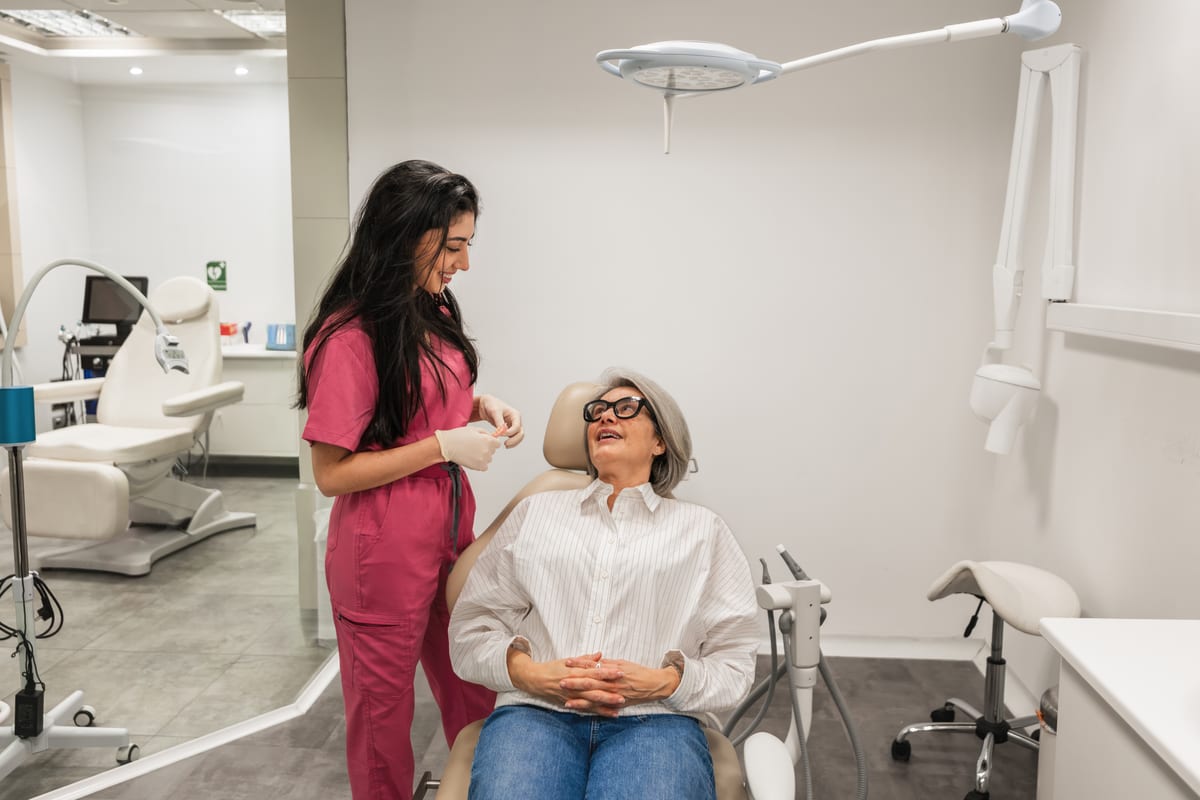
Most people put off replacing a missing tooth because life gets busy. It doesn’t hurt right away. It doesn’t feel urgent. But in Fayetteville, AR, patients at Lucke Dental come in every week with the same story — they waited, and now the problem is much bigger. Your jaw is shifting whether you notice it or not, and why waiting on implants gets costly in Fayetteville is something Dr. Rebecca Lucke wants every patient to understand before it’s too late.
This article walks through the real warning signs that your body is already responding to tooth loss. These signs matter because they signal that your window for simpler, less expensive treatment is closing fast.
What Happens to Your Jaw After You Lose a Tooth
Your jawbone needs stimulation to stay healthy. Every time you bite or chew, your tooth roots send pressure into the bone beneath them. That pressure tells your body to keep producing new bone cells in that area.
When a tooth goes missing, that stimulation disappears. Your body stops investing resources in that section of the jaw. Within the first year alone, you can lose up to 25% of the bone volume in that spot.
That number keeps climbing the longer you wait. By year two or three, the bone loss becomes significant enough to affect neighboring teeth and your overall bite. This is not a slow, harmless process. It is a structural change happening beneath your gums right now.
Warning Signs You Have Already Waited Too Long in Fayetteville
Many patients assume they would notice a serious problem. In reality, bone loss is nearly invisible until it causes visible damage. Here are the warning signs Dr. Lucke watches for during exams:
- Shifting or drifting teeth — Neighboring teeth slowly tilt toward the gap left by the missing tooth.
- Changes in your bite — Food chews differently, and your jaw feels uneven or off-center.
- Difficulty chewing — Certain textures become painful or awkward on one side.
- A sunken or aged appearance — Your cheeks look hollow or your face appears to sag near the jaw.
- Gum recession near the gap — The tissue pulls back, exposing root surfaces of nearby teeth.
- Loose-feeling teeth — Adjacent teeth that once felt solid now have subtle movement.
If you recognize any of these signs, waiting longer will not make treatment easier. It will make it more complex and more expensive.
Why Delaying Implants Costs More Over Time
This is where many patients are surprised. They assume that waiting saves money. The opposite is often true. When bone loss advances, a standard implant placement may no longer be enough.
Your dentist may need to perform a bone graft before placing the implant. That adds a procedure, additional healing time, and additional cost to your overall treatment. In some cases, patients who waited also need treatment for the damaged neighboring teeth that shifted into the gap.
Replacing one tooth becomes a multi-step process instead of a straightforward one. And in severe cases, the shifting teeth require orthodontic correction on top of everything else. The cost of delay adds up quickly in both time and money.
There is also the impact on your overall oral health to consider. Bone loss in one area of the jaw can affect surrounding teeth and even change how your temporomandibular joint functions. Jaw joint problems bring their own set of complications and treatment needs.
How Implants Stop the Damage Before It Spreads
A dental implant works differently from a bridge or a partial denture. It is the only tooth replacement option that actually goes into the jawbone. The implant post acts as an artificial tooth root.
When you chew with an implant, the pressure transfers through the post into the bone. That stimulation tells your body to maintain bone density in that area. The bone loss stops. In many cases, some bone volume can even recover over time.
Implants also hold neighboring teeth in place. Once the gap is filled, there is no empty space for adjacent teeth to drift into. Your bite stays stable, and your face retains its natural shape.
- Implants preserve jawbone density long-term
- They prevent neighboring teeth from shifting
- They restore full chewing function on both sides
- They look and feel like natural teeth
- They can last decades with proper care
For patients exploring comprehensive smile improvements alongside implants, Cosmetic Dentistry Fayetteville services at Lucke Dental can address aesthetics and function together in a coordinated treatment plan.
When a Missing Tooth Becomes a Dental Emergency
Most tooth loss starts with a problem that was ignored. A cracked tooth, a deep cavity, or a dental injury that seemed manageable can escalate into an emergency requiring extraction. After that extraction, every day without a replacement starts the bone loss clock.
If you are dealing with sudden tooth pain, a broken tooth, or swelling around a tooth that may need to come out, getting care quickly matters. Prompt treatment through Emergency Dentistry Fayetteville at Lucke Dental can sometimes save a tooth before extraction becomes necessary. When extraction is unavoidable, discussing implant timing immediately puts you ahead of the bone loss curve.
Dr. Lucke and the team at Lucke Dental treat emergency patients with the same care and attention as scheduled visits. Acting fast gives you more options, not fewer.
What to Expect When You Come In for an Implant Consultation
Coming in for a consultation does not commit you to anything. It gives you information. Dr. Lucke will take digital X-rays to assess your current bone density. She will evaluate your bite, your neighboring teeth, and the health of your gums.
From there, she will explain exactly what your situation looks like right now. If you are a good candidate for a straightforward implant, she will walk you through the process and timeline. If some bone loss has already occurred, she will explain your options honestly and clearly.
Many patients leave the consultation relieved to finally understand what is happening in their mouth. Knowledge removes the anxiety of the unknown. Fayetteville residents deserve clear, honest answers about their oral health — and that is exactly what you will get at Lucke Dental.
The right time to act is before the bone loss worsens. If you have been putting off this conversation, now is the moment to stop waiting. Book Now to schedule your appointment with our team.
Frequently Asked Questions
How quickly does bone loss start after tooth loss?
Bone loss begins within weeks of losing a tooth. Within the first year, you can lose up to 25% of bone volume in the affected area. The process continues and accelerates the longer a replacement tooth is not placed.
Can I still get an implant if I already have significant bone loss?
Yes, in many cases. A bone graft procedure can rebuild lost bone volume before an implant is placed. Dr. Lucke will assess your current bone density during a consultation and explain whether grafting is needed as part of your treatment plan.
Is implant treatment painful?
Most patients are surprised by how comfortable the process feels. Local anesthesia is used during the procedure, and most patients report that recovery is manageable with over-the-counter pain relief. Dr. Lucke will explain what to expect at every stage before treatment begins.
How long does a dental implant last?
With proper care, dental implants can last 20 to 30 years or longer. Unlike other tooth replacement options, implants are designed to be a permanent solution. Good oral hygiene and regular dental visits are key to long-term implant success.
What happens to neighboring teeth if I never replace a missing tooth?
Adjacent teeth gradually drift and tilt into the empty space. This shifts your bite, can create new cavities in hard-to-clean areas, and may eventually loosen the neighboring teeth themselves. Early replacement prevents these cascading problems from developing.